
Be Better Than Yesterday
The people behind the work.
Human in the System is built on operational experience, academic rigour, and a belief that leadership and team performance can be taught and coached, and that reflection and learning through structured debriefs and learning reviews are critical for team and organisational improvement.
Recreation & Technical
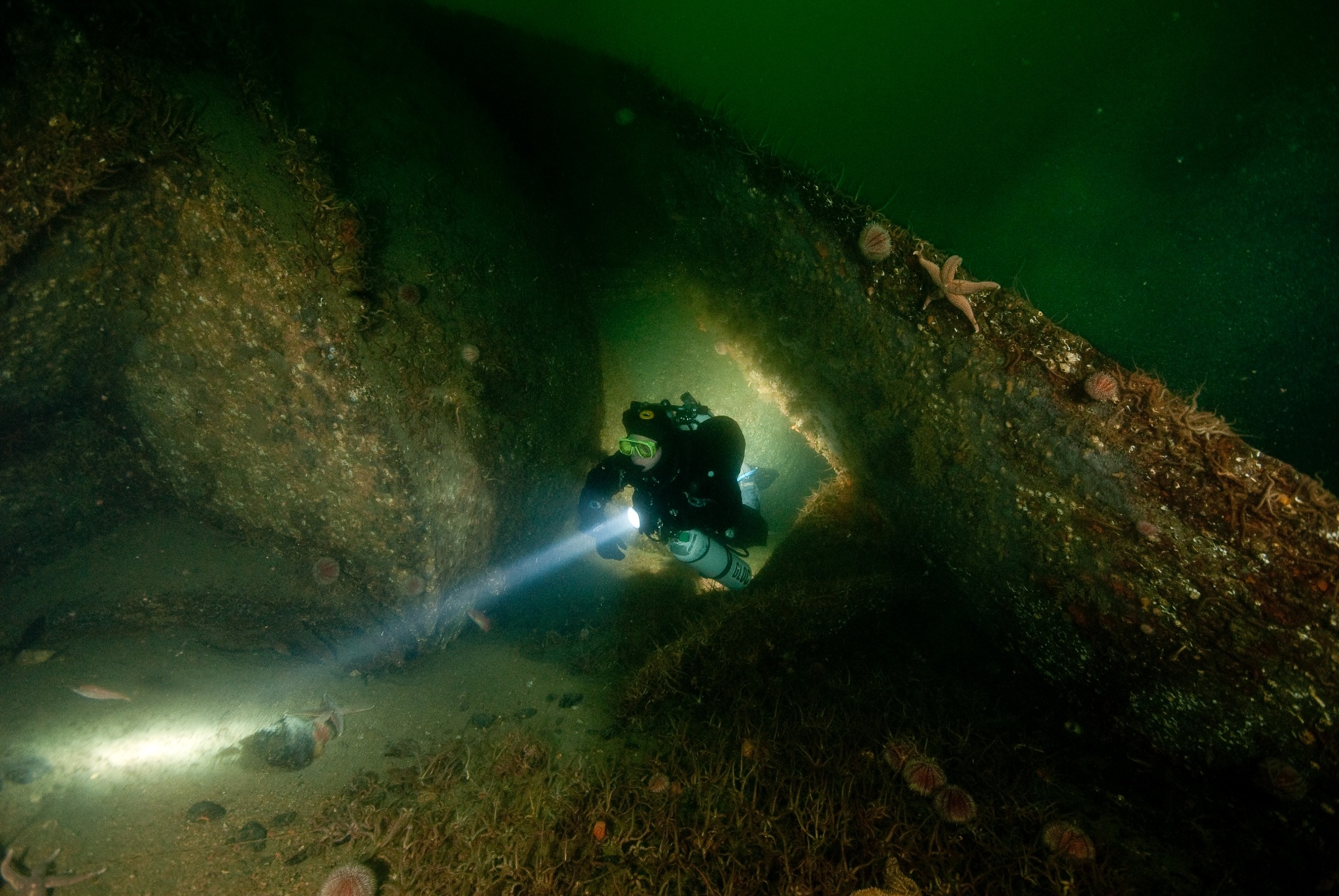
Recreational & Technical Diving
From open water to cave and rebreather, the gaps in your training are rarely technical. Your agency taught you what to do. We cover what happens when a team stops communicating, when a plan loses its flexibility, when no one says what they're thinking. That's where dives go wrong — and that's what we teach.
Commercial & Occupational
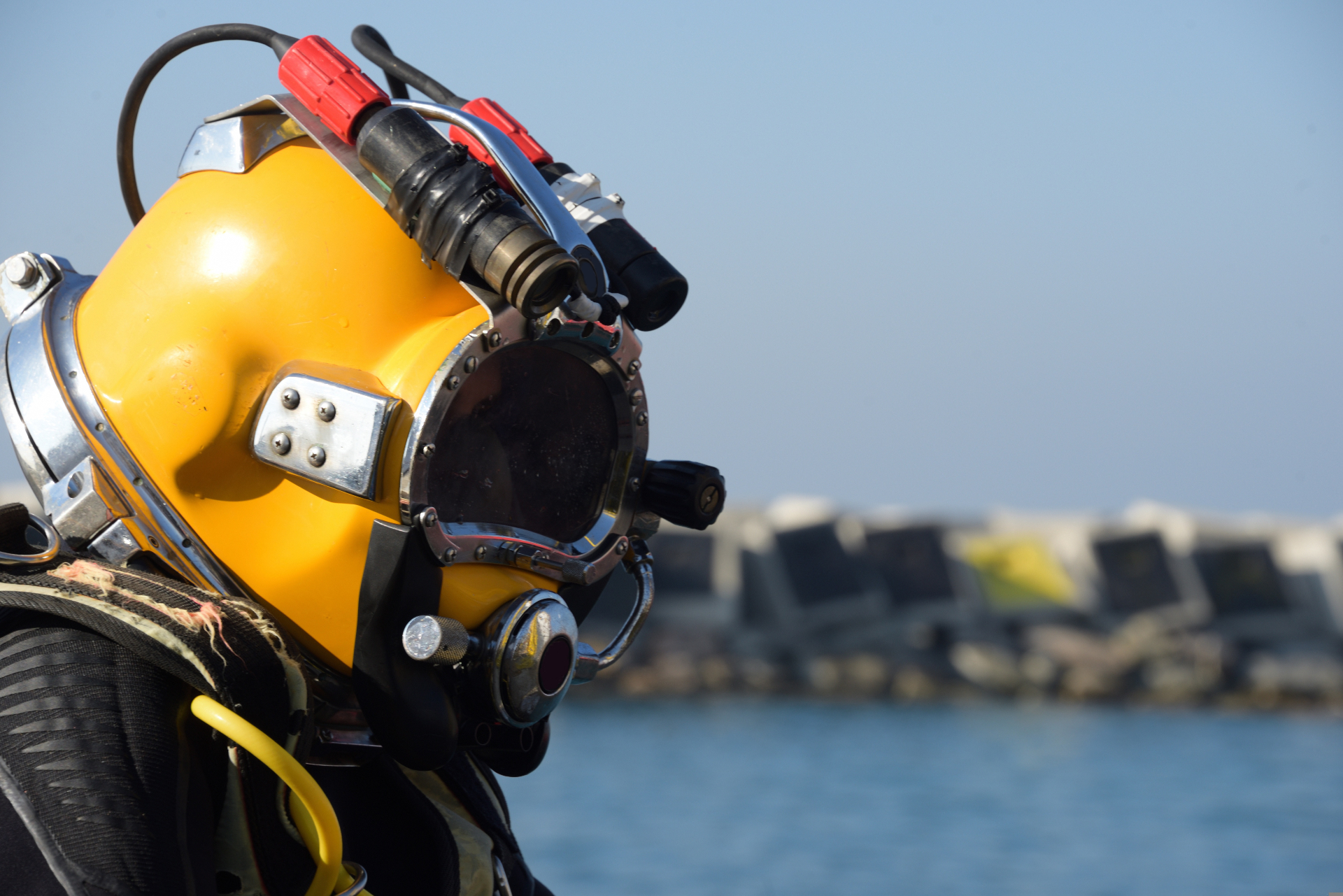
Commercial & Occupational Diving
Commercial diving operates inside management systems, risk registers, and permit-to-work frameworks. Those systems are necessary. They are also not sufficient. The human side — team dynamics, supervisor decisions, stop-work authority, normalisation of deviance/risk — is where your serious incidents will come from. We bridge the gap between your documented procedures and how work actually gets done.
Defence & Special Operations
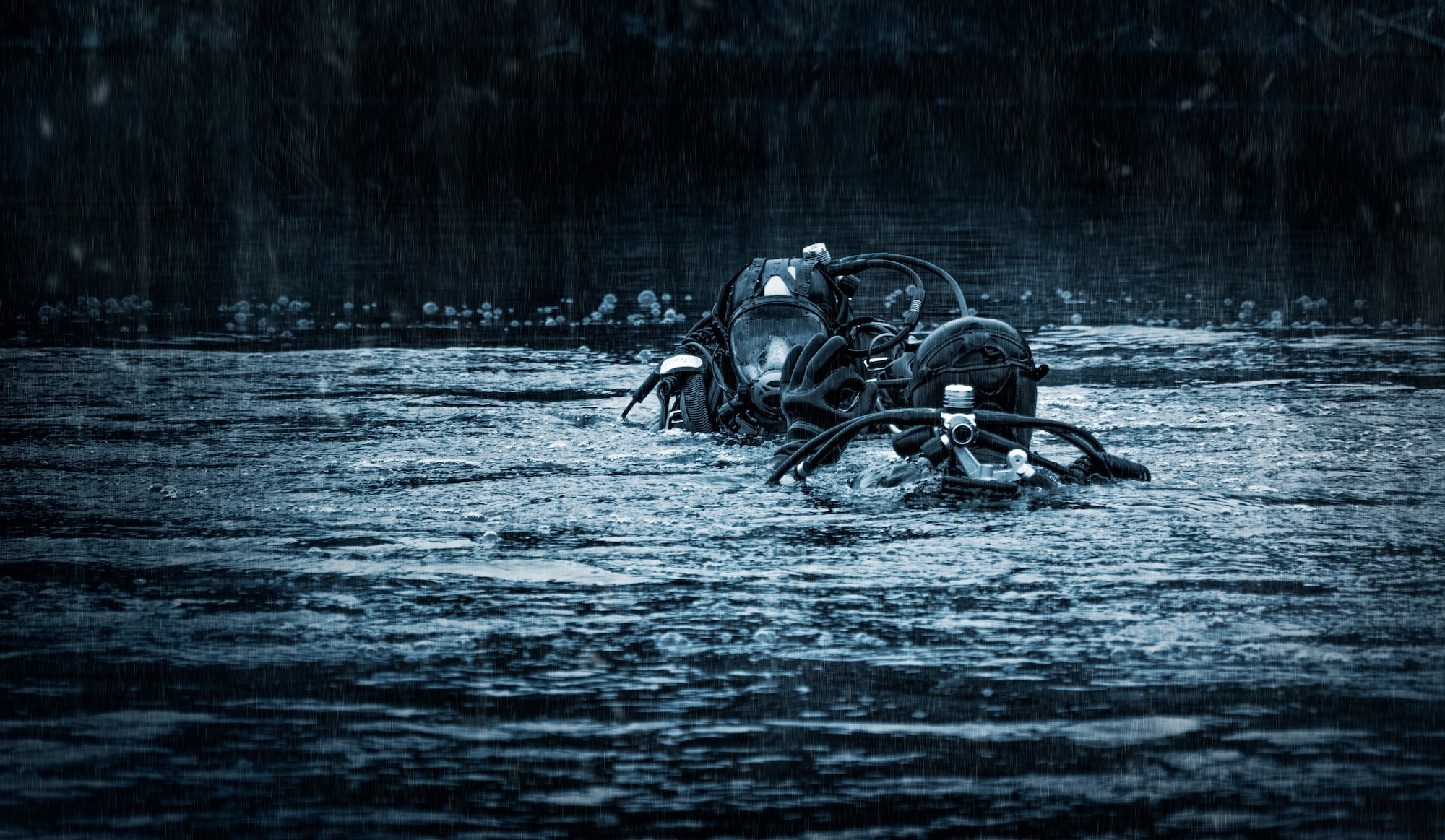
Military Diving
Military diving teams operate at the intersection of technical complexity, operational pressure, and hierarchical culture. Power distance, mission focus, and the reluctance to report near-misses are systemic challenges, not individual weaknesses. Our programmes — drawn from military aviation and adapted for defence diving — address them directly, in the language of people who have served.
FOUNDER
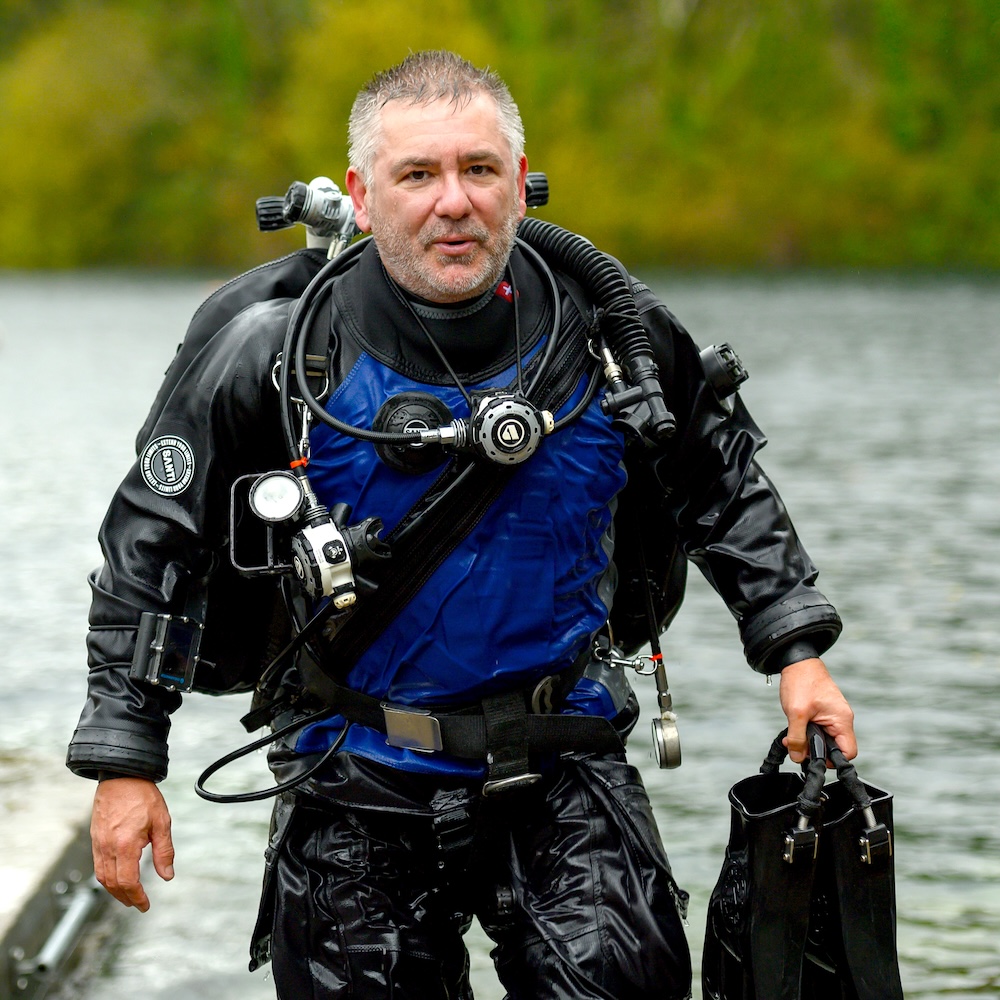
Gareth Lock
Founder, Human in the System and The Human Diver
Why not learn the lessons from those who've had the most to lose when it goes wrong? Many organisations investigate incidents to find who made the mistake. Gareth Lock has spent the better part of two decades arguing — with evidence, with frameworks, and with the authority of someone who has been on both sides of an incident report — that this is the wrong question. The right questions are: does the competency exist before an event occurs, and what in the system made this action and behaviour normal?
Military Aviation
Royal Air Force aircrew officer with 2500 flight hours. Operational decision-making in environments where the cost of error is not recoverable and the gap between work as planned and work as executed is managed in real time, under load. Operational, instructional, flight trials, R&D and procurement roles. Not theoretical. Not simulated. Operational.
MSc Human Factors and System Safety, Lund University
The academic depth to understand why systems fail, not merely that they do. Thesis research on storytelling and learning in high-risk domains — the foundation of the narrative-based pedagogy used across all Human in the System and The Human Diver programmes. Student mentor on the MSc for the future generations of systems thinkers.
MSc Aerospace Systems, Kingston University
Systems thinking embedded from first principles. The ability to see operations as a system, not a collection of individuals, organisations and technologies operating individually.
Fatal Accident Investigations, UK MOD and NZDF
Experience at the sharp end of what happens when the gap between work-as-imagined and work-as-done is never closed. Having conducted investigations for two national defence forces, Gareth brings to every incident review both the method and the weight of knowing what the findings actually cost.
Approximately 800 Dives
Technical, cave, and rebreather diving across multiple continents. The diving frameworks are built from inside the environment they describe. This is not a consultant who has read about diving. This is someone who knows what it costs to make a decision 50+ metres underwater with a team that does not share the same information.
'No one else in the safety or diving space holds this combination. That is not a claim about quality. It is a claim about availability.'
Human Factors in Diving
Author of the foundational curriculum used by thousands of divers globally through The Human Diver.
Under Pressure
Author of Under Pressure: Diving Deeper with Human Factors, published by Ingram Spark. THE only real textbook on this topic.
Mission: Kobayashi Maru
Architect of the High Velocity Learning Lab that uses immersive simulation to surface real team dynamics in real time.
Keynote Speaking
Recognised internationally as a keynote speaker on human factors, just culture, psychological safety, and learning from both success and failure.
The work is collaborative. The following practitioners bring their own operational experience and academic grounding to Human in the System programmes. They are not associates in the sense of junior colleagues. They are practitioners in their own right who share the same foundational commitments. No blame. No compliance theatre.
Learning, always.
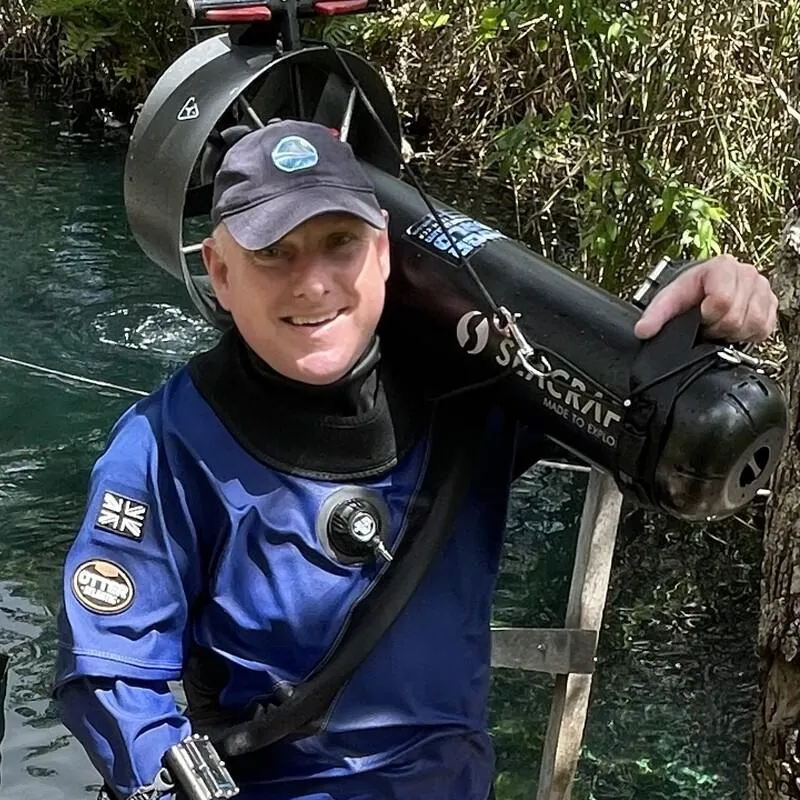
Associate
Lanny Vogel
Human Factors Practitioner and Diving Professional
Lanny Vogel brings operational experience across senior military leadership and technical diving to Human in the System programmes, with a background spanning multinational headquarters, submarine operations, ministerial-level policy, and underwater caves. He has led large, diverse teams in environments where the consequences of poor performance are not recoverable — and where the gap between what was planned and what actually happened is rarely what the procedure predicted.
His work with Human in the System centres on simulator-based facilitation and experiential programme delivery, with a particular focus on how teams think, decide, and communicate when the pressure is real and the information is incomplete. He believes that the behaviour organisations most need to understand only becomes visible through honest, structured debrief — and that the system pressures and organisational narratives shaping that behaviour are rarely visible to the people inside them until someone creates the conditions to look.
He is currently focused on delivering Human in the System programmes to senior leadership teams in high-risk industries and defence environments.
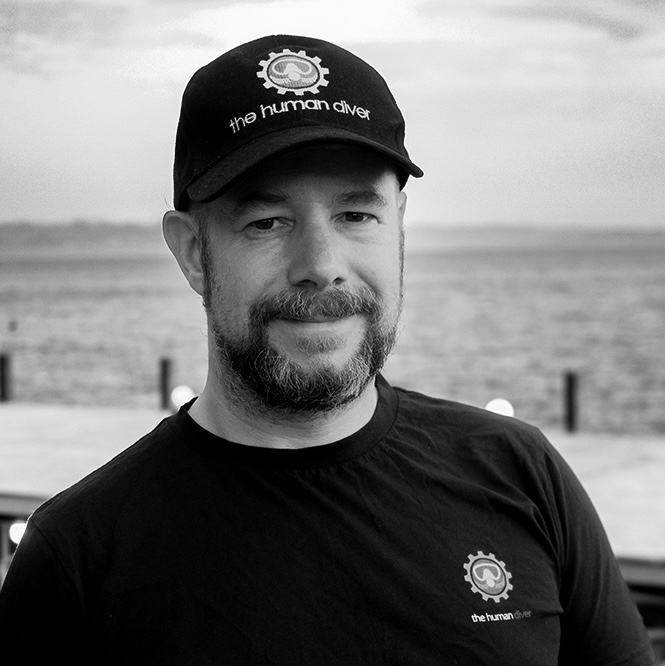
Associate
Andrzej Gornicki
Human Performance Specialist and Facilitator
Human Performance Specialist and Facilitator Andrzej Gornicki brings extensive domain experience to Human in the System programmes, with a background in operational environments and a focus on human performance under pressure.
His work with Human in the System centres on facilitation and curriculum development. He holds that blame is the enemy of learning — and that most organisations choose blame because it is faster. He is currently focused on programme delivery across European operations.
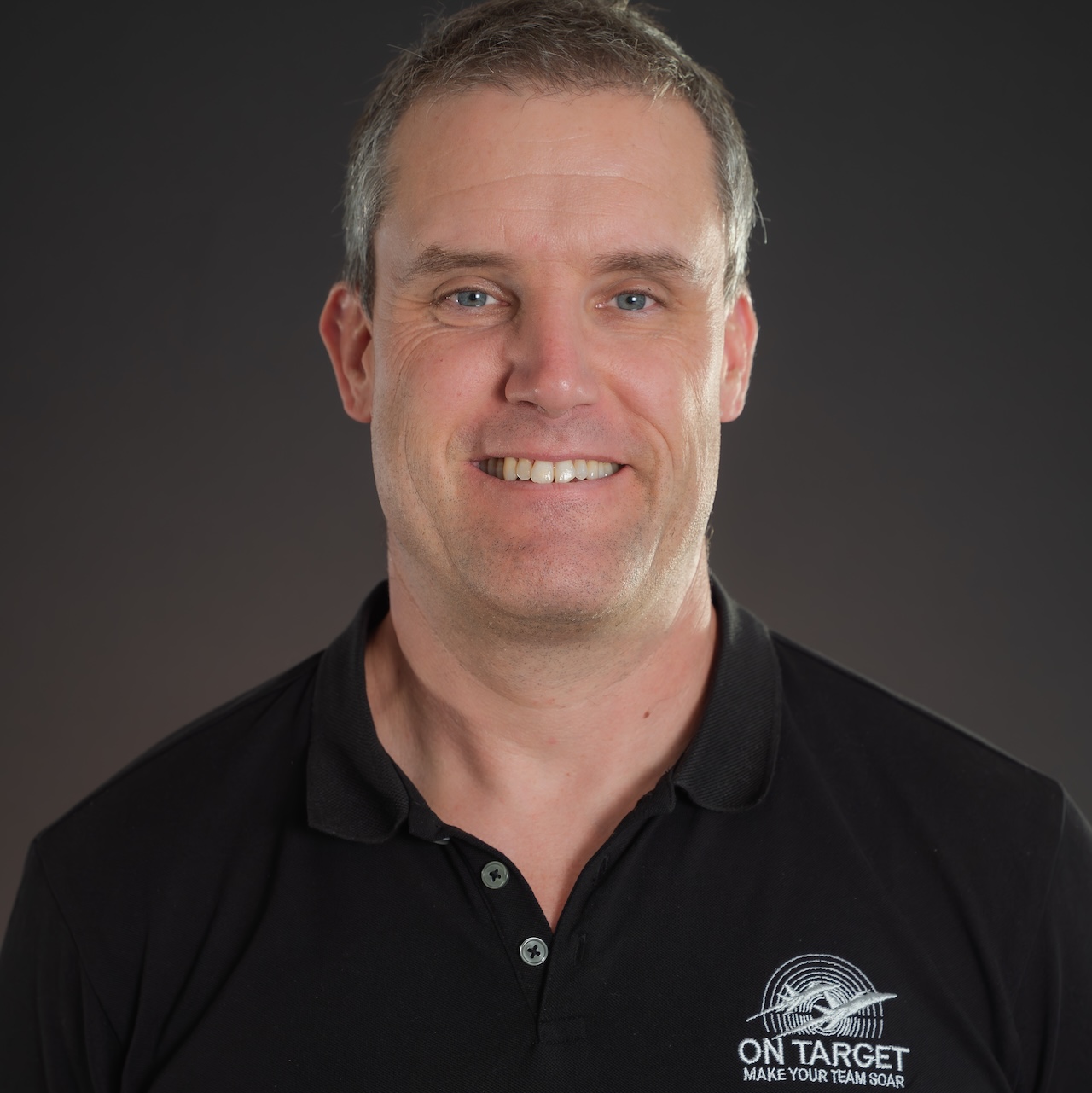
Associate
Mike Mason
Human Factors Practitioner and Facilitator
Mike has over two decades of operational experience in high-performance military aviation, having served as a front-line fast jet pilot, instructor and supervisor in the Royal Air Force and Royal Australian Air Force, with over 3,500 flying hours across multiple aircraft and combat operations.
He has extensive experience in Human Factors and Non-Technical Skills developed through operational and instructional roles. This gives him a unique perspective to inspire and inform your teams about performance under pressure, decision-making, teamwork, and human and organisational performance.
Why this combination is important.
Human in the System is not built around a single methodology or a single domain. The people behind the work have operated in military operations, recreational and commercial diving, emergency services, energy, healthcare, and construction. What they share is not a professional background. It is a position.
The position is this: people do not fail in isolation. They fail in systems that set them up to fail — systems with gaps between how work was imagined and how work was done, with authority gradients that stopped information reaching the people who needed it, with debrief cultures that prioritised reassurance over learning.
The work of Human in the System is to make that visible — and then to change it. That work requires people who have been inside those systems, not just studied them. This is that team.
Ready to work with this team?
Reach out or explore our programmes
Human in the System
Be Better Than Yesterday